The Benefits of Nature Therapy Even in the Winter Months
When winter settles in, many people spend more time indoors. Shorter days, colder temperatures, and limited sunlight can make it harder to stay active and emotionally balanced. Yet nature remains a powerful source of mental and physical support, even during the coldest months. Nature therapy, sometimes called green space exposure or outdoor grounding, may help support emotional well-being during winter when stress, fatigue, and low mood are more common.
Nature therapy does not require hiking long trails or braving extreme weather. It simply involves intentional time spent outdoors, noticing your surroundings and allowing the natural environment to support calm and clarity.
Why Winter Can Feel Emotionally Heavy
Winter often brings changes that affect mental health. Reduced daylight can disrupt circadian rhythms, colder temperatures limit movement, and social routines may shift. Together, these factors can contribute to seasonal emotional heaviness.
Common winter challenges include:
- Lower energy levels
- Increased anxiety or restlessness
- Difficulty concentrating
- Disrupted sleep patterns
- Feelings of isolation or low mood
Nature therapy offers a gentle way to counterbalance these effects by engaging the senses and regulating the nervous system.
How Nature Supports Mental Health
Spending time outdoors may help calm the nervous system by reducing stress hormones and encouraging relaxation. Natural environments often provide fewer stimuli than indoor spaces, giving the brain a chance to rest.
Nature may support mental health by:
- Encouraging slower breathing
- Lowering heart rate
- Reducing mental fatigue
- Improving focus
- Supporting emotional regulation
Even brief outdoor exposure can help interrupt stress cycles and bring attention back to the present moment.
The Value of Winter Nature
Winter landscapes offer unique benefits. Quiet snowfall, bare trees, and muted colors create a calmer sensory environment. This simplicity can feel grounding when the mind feels overstimulated.
Cold air can feel refreshing and alerting. Natural light, even on cloudy days, still helps support circadian rhythm regulation. Being outdoors also gently encourages movement, which supports circulation and mood.
Nature therapy in winter is not about pushing comfort limits. It is about working with the season rather than against it.
Simple Ways to Practice Nature Therapy in Winter
Nature therapy does not require long outings. Small, consistent moments matter most.
Some winter-friendly ways to connect with nature include:
- Short walks during daylight hours
- Sitting on a porch or balcony
- Standing outside and focusing on breath
- Observing snowfall or cloud movement
- Visiting a local park or quiet trail
- Opening windows for fresh air
Even five to ten minutes outdoors can make a meaningful difference.
The Mind Body Connection Outdoors
Nature therapy supports both mental and physical health. Gentle movement helps circulation and reduces muscle tension. Sensory awareness helps anchor attention and reduce rumination.
During winter, the body often tightens in response to cold and stress. Intentional outdoor time encourages relaxation and body awareness.
Mindful outdoor practices might include:
- Noticing temperature changes
- Listening to natural sounds
- Observing textures like snow or bark
- Feeling the rhythm of walking
These simple observations help bring attention away from worry and back into the body.
Nature Therapy and Emotional Resilience
Consistent outdoor time may help build emotional resilience over time. Rather than eliminating stress, nature therapy supports recovery from stress.
For people managing anxiety or depression, outdoor exposure may help:
- Improve mood stability
- Reduce emotional reactivity
- Support sleep quality
- Encourage routine and structure
Nature therapy works best when practiced regularly rather than occasionally.
Supporting Treatment With Nature Therapy
For individuals receiving mental health treatment, including ketamine therapy, nature therapy may serve as a supportive complement. Ketamine may promote neuroplasticity, and engaging with calming environments afterward may help reinforce emotional balance.
Nature therapy does not replace medical care. Instead, it supports integration by helping the nervous system settle and the mind reflect.
Patients often find that quiet outdoor time after treatment helps them process emotions without pressure or distraction.
Overcoming Winter Barriers
Cold weather can make motivation difficult. Planning ahead helps.
Helpful strategies include:
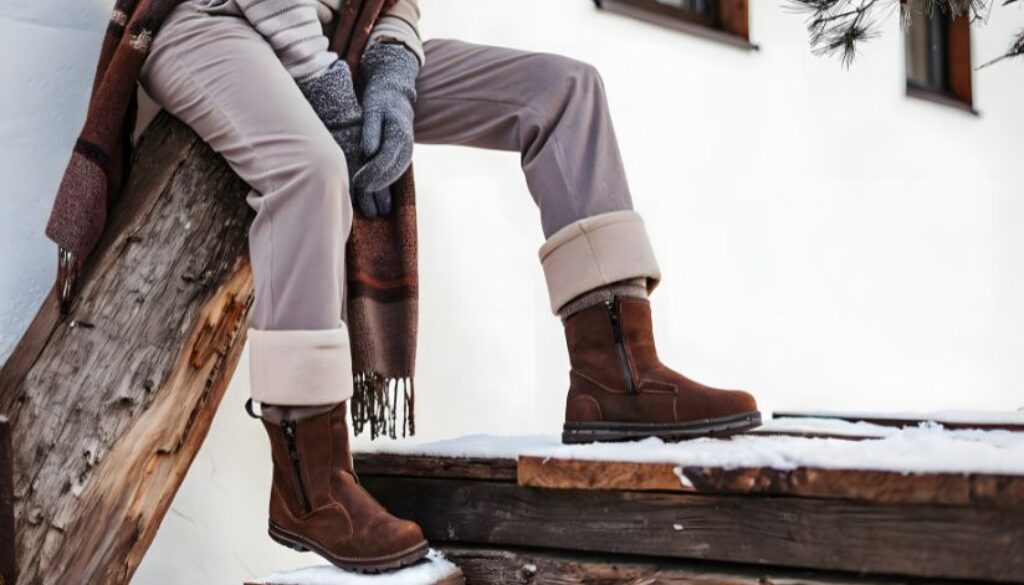
- Dressing in warm layers
- Choosing consistent times of day
- Setting realistic expectations
- Pairing outdoor time with daily routines
Nature therapy does not require perfection. Consistency matters more than duration.
The Emotional Benefits of Light
Daylight exposure remains important during the winter months. Natural light helps regulate sleep patterns and energy levels. Morning or midday outdoor time may be especially helpful.
Even on overcast days, outdoor light is stronger than indoor lighting. This makes stepping outside a valuable habit for emotional health.
Making Nature Part of Daily Life
Nature therapy becomes most effective when it feels accessible. Rather than viewing it as an extra task, integrate it into existing routines.
Examples include:
- Walking outside during breaks
- Running errands on foot when possible
- Drinking morning coffee near a window
- Spending time outdoors after work
Small adjustments help make nature part of everyday life.
A Gentle Tool for Seasonal Support
Winter can challenge emotional balance, but nature remains available as a steady source of support. Nature therapy offers a low-pressure, accessible way to care for mental health during colder months.
It encourages presence, routine, and connection without requiring performance or achievement.
Moving Forward With Seasonal Awareness
Mental wellness shifts with the seasons. Adjusting self-care to match winter needs supports resilience and emotional balance.
At Relevate Ketafusion, we believe healing is supported by both medical care and everyday practices. Whether through ketamine therapy, therapy, or simple habits like spending time outdoors, small choices matter.
If winter has been weighing heavily on your mental health and you are exploring supportive treatment options, we invite you to learn more about our services. Schedule a consultation with Relevate Ketafusion to explore care options designed to support you through every season.
Request a FREE, confidential consultation: https://relevateketafusion.com/request-a-consultation/
If you’re struggling with treatment-resistant depression and feel ready to explore IV ketamine therapy, we’re here to help. Schedule a free virtual consultation to discuss your specific situation with our medical team. Together, we can determine if IV ketamine therapy might be the breakthrough you’ve been seeking.